AI is helping with accessibility, but we need to be careful
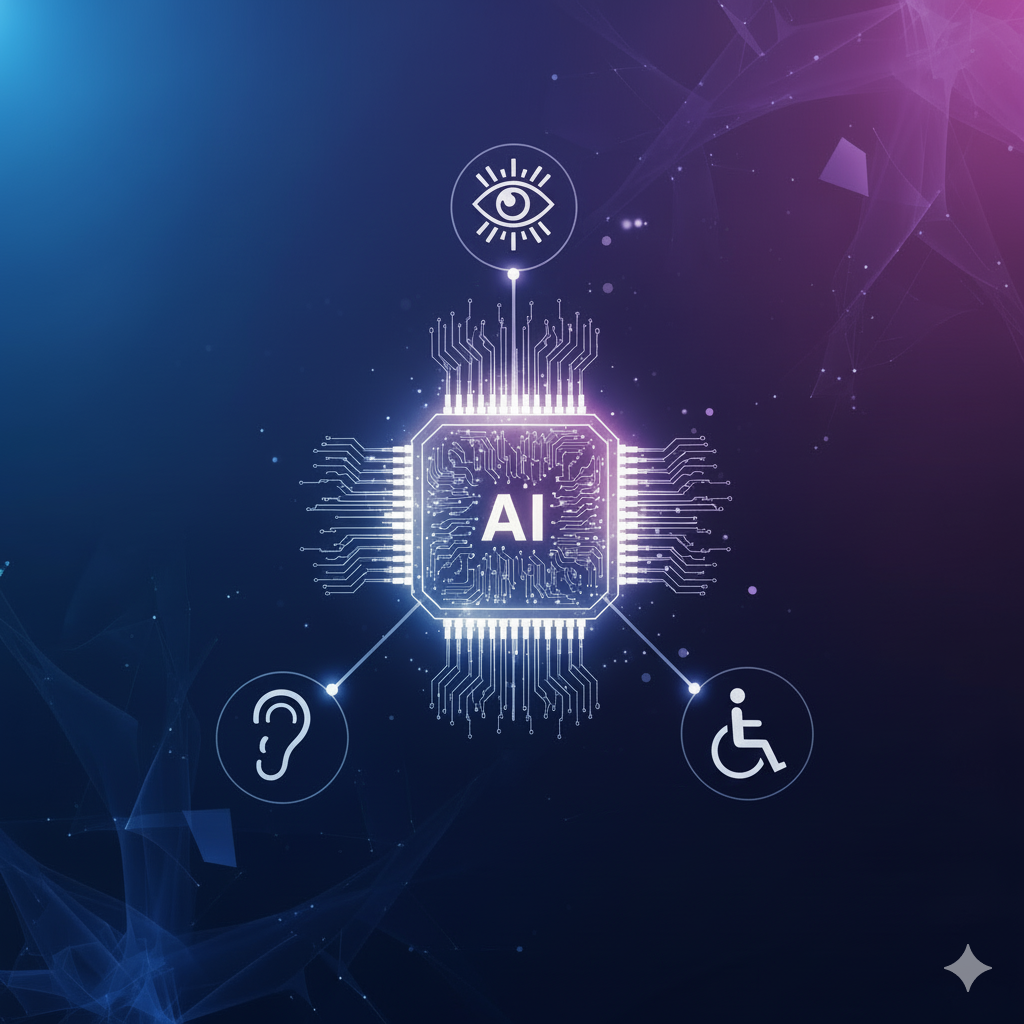
AI is starting to make real progress in accessibility, with tools like live captions, image descriptions, and automated testing helping people with different disabilities. At the same time, AI can make mistakes, carry bias, and raise privacy concerns, so it cannot replace human review. Businesses should use AI as a helper, not a solution on its own, and always include people with disabilities in the process. With better standards, more inclusive data, and collaboration, AI can become a strong tool for digital inclusion.
Artificial intelligence is showing up in more and more tools that aim to make the digital world easier for people with disabilities. Some of these tools are very useful already, while others are still rough around the edges. That is why the right way to think about AI and accessibility is with cautious optimism. There is real promise, but also real risks.
What AI can do today
AI is already helping people in important ways:
- Live captions and automatic transcripts make videos easier to follow for people who are deaf or hard of hearing.
- Image recognition can write alt text so people who are blind or have low vision know what a picture shows.
- AI testing tools can point out problems like missing labels or poor color contrast.
- Some tools can even make hard text easier to read, which helps people with learning or cognitive disabilities.
- AI chat bots can help resolve issues for people at scale and in a way they can understand.
These are real benefits. They can make websites and apps more usable and help teams fix problems faster.
Problems and risks
AI also comes with serious downsides:
- It can make mistakes because the data it learned from is incomplete or biased.
- It may sound confident even when it is wrong, which can mislead people.
- Companies may trust AI too much and stop checking results with real people.
- Privacy is a concern because many AI tools need personal data like speech or behavior, not to mention there have been leaks of personal chats with LLMs showing up on google search results.
- Current accessibility laws and standards do not fully explain how to judge AI-generated content.
If we do not pay attention to these problems, AI could create new barriers instead of removing them.
How to use AI the right way
Businesses can get value from AI while staying responsible:
- Involve people with disabilities in design and testing.
- Use AI alongside human reviews, not instead of them.
- Train teams to know what AI can and cannot do.
- Make sure someone is accountable for checking accessibility.
- Keep testing and improving tools over time.
AI should be seen as a helper. People still need to guide the process and make the final calls.
What needs to happen next
For AI to really make the digital world more inclusive, a few things need to change:
- Accessibility standards like WCAG must include rules for AI-created content such as auto captions.
- AI systems should be more open about how they work so users know why they give certain results.
- Developers, lawmakers, and disability groups need to work together so AI grows in a way that supports everyone.
With these steps, AI could be a powerful force for accessibility. Until then, we should stay hopeful but careful.